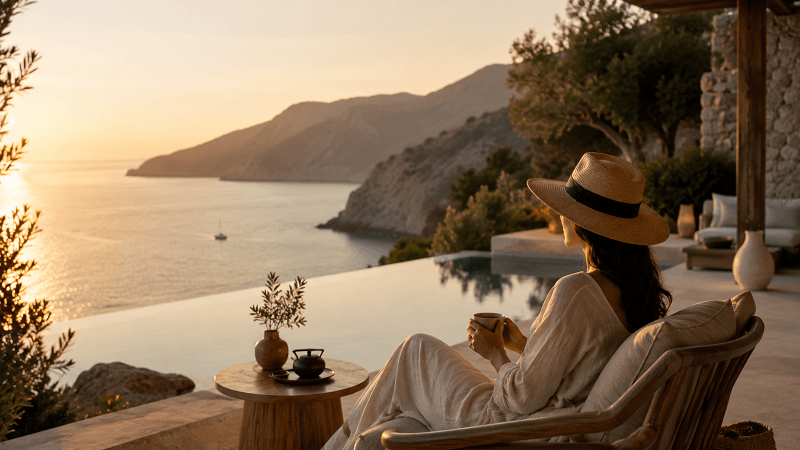
Luxury travel used to have a certain look. Big-name hotels. Private transfers. Packed itineraries. A dinner reservation that needed three reminders and one well-connected concierge. The whole thing had polish, speed, and a little bit of bragging built in.
But lately, something quieter is taking over.
Soft travel is becoming the new status symbol because people are tired. Not just “I need a vacation” tired, but bone-deep, phone-buzzing, calendar-stacked tired. The kind of tired that follows you into the airport lounge and sits beside you at breakfast. For many travelers, luxury no longer means doing more. It means feeling less chased.
That shift matters. It changes how hotels design rooms, how retreats sell their programs, how destinations market themselves, and how experience brands think about value. Calm is no longer a nice extra. Calm is the product.
The New Luxury Is Not Being Rushed
For years, travel sold the idea of squeezing every drop out of a trip. Three cities in five days. Sunrise hike, museum slot, tasting menu, rooftop drinks, then another early train. It looked good in photos. It also felt like a second job.
Soft travel flips that script.
Instead of asking, “How much can I fit in?” travelers now ask, “How do I want to feel while I’m there?” That one question changes everything. It turns a trip from a checklist into a reset. It makes a slow breakfast feel as important as a famous landmark. It gives permission to stay in one place long enough to actually notice it.
You know what? That’s not laziness. It’s a reaction to modern life.
A lot of professionals already live in performance mode. They answer Slack messages during dinner. They check email before brushing their teeth. They move from one meeting to another with barely enough time to drink water. So when they pay for travel, they don’t always want stimulation. They want relief.
And relief has become expensive, because people are willing to pay for it.
Nervous-System-Friendly Escapes Are Having a Moment
Soft travel often gets described in pretty words, like slow mornings, gentle movement, quiet design, and low-pressure days. But under the surface, it speaks to something more practical. People want trips that don’t overload their nervous system.
That sounds clinical, but it’s easy to understand. Your body knows when it’s had too much. Too much noise. Too much traffic. Too much screen time. Too much urgency. Even fun can feel like pressure when every hour has a plan.
So travelers are choosing places that help them come down from all that. Think coastal stays where the biggest event is watching the tide. Mountain cabins with weak signal. Hotels that design rooms around sleep instead of spectacle. Retreats that focus on breathwork, simple food, stretching, and being left alone without feeling weird about it.
Honestly, there’s something very modern about paying more for fewer demands.
That is where the luxury market sees the opportunity. High-end travel brands are not just selling beds or views anymore. They are selling regulation. They are selling space. They are selling the feeling of not being needed by anyone for a while.
Calm Has Become a Revenue Strategy
Here’s the thing. Soft travel sounds gentle, but the business behind it is sharp.
Hotels understand that exhausted guests spend differently. They book longer stays when a place feels restful. They pay for spa treatments, sleep-focused rooms, guided walks, private wellness sessions, and food that feels clean without becoming fussy. They return when the experience gives them something they can feel after checkout.
That “afterglow” matters. A traveler may forget the exact thread count, but they remember sleeping through the night for the first time in months.
For hospitality brands, this creates a new kind of loyalty. Not the points-program kind, though that still matters. This is emotional loyalty. Guests come back because a property helped them feel human again.
There’s also a wider wellness angle. Burnout, stress, substance use, and emotional fatigue do not sit in separate boxes. They often overlap in real life. That’s why broader recovery and mental-health conversations, including resources like Northern Illinois recovery center, fit into the larger cultural shift toward rest, repair, and healthier coping.
Soft travel does not replace professional care. It does show how many people now see rest as a serious need, not a treat.
Fewer Landmarks, More Feeling
There’s a funny contradiction here. People still want beautiful places. They still want good food, charming streets, ocean air, art, and stories. They just don’t want to be dragged through them like they’re completing a work report.
A soft travel itinerary has breathing room.
Maybe there’s one planned activity a day. Maybe there are no reservations before noon. Maybe the hotel lobby has books instead of a DJ. Maybe the best part of the trip is a long walk with no clear destination. That used to sound like wasting time. Now it sounds rich.
Social media helped create the problem, then helped reveal the fatigue. For a while, trips became content machines. Every meal needed a shot. Every view needed proof. Every hotel room had to be “worth posting.” But after years of that, many travelers want privacy again. They want memories that don’t have to perform.
Soft travel works because it allows people to disappear a little.
And for burned-out professionals, that’s powerful. They spend so much of life being reachable, visible, useful, and quick. A trip that lets them move slowly feels almost rebellious.
Why Hotels Are Rewriting the Luxury Playbook
Luxury brands have noticed that the old signals don’t carry the same weight with every guest. A marble bathroom is nice, sure. But if the room faces a loud street, the pillows are stiff, and check-in feels chaotic, the shine fades fast.
Now the details that matter are quieter.
Can the guest sleep well? Is the lighting soft at night? Can they get a meal that doesn’t feel heavy? Is there nature nearby? Does the staff solve problems without making the guest repeat themselves three times? Can someone spend a day on the property without feeling trapped or bored?
These are not tiny things. They shape the whole stay.
Some hotels now talk about circadian lighting, soundproofing, sleep menus, thermal circuits, meditation spaces, garden design, and digital-detox packages. Some resorts build programs around recovery from stress rather than classic pampering. Even city hotels are making room for calm with quieter lounges, in-room fitness tools, and flexible check-in flows.
It’s not all perfect. Some brands slap “wellness” on a package and call it a day. Guests can feel that. A lavender pillow spray does not fix a stressful experience.
Real soft travel has to be built into the bones of the stay. The booking process, the room, the food, the pace, the service, the exit. All of it has to say, “You’re allowed to slow down here.”
The Status Symbol Is Peace
There’s a reason soft travel feels so tied to luxury right now. Peace has become scarce.
A packed inbox follows people everywhere. News cycles run hot. Cities feel expensive and loud. Workdays stretch past their official edges. Even leisure can become another place to compete, compare, and keep up.
So calm becomes the thing people want most because it’s the thing they cannot always create at home.
That doesn’t mean travelers are giving up adventure. Not at all. Soft travel can still include kayaking, wine tasting, gallery visits, local markets, family time, or a great dinner. The difference is pace. The trip bends around the person, not the other way around.
Luxury is moving from display to recovery.
That is the power move.
Because when a traveler pays for a soft escape, they are not just buying a room. They are buying a cleaner head. A slower morning. A nervous system that stops ringing for a few days. A little distance from the version of themselves that keeps saying, “Just one more thing.”
And maybe that’s why soft travel has legs. It answers a real ache. Not with noise, not with status theater, but with space.
For hotels, retreats, and travel brands, that space is now a business model. For travelers, it feels even simpler.
It feels like finally being able to breathe.