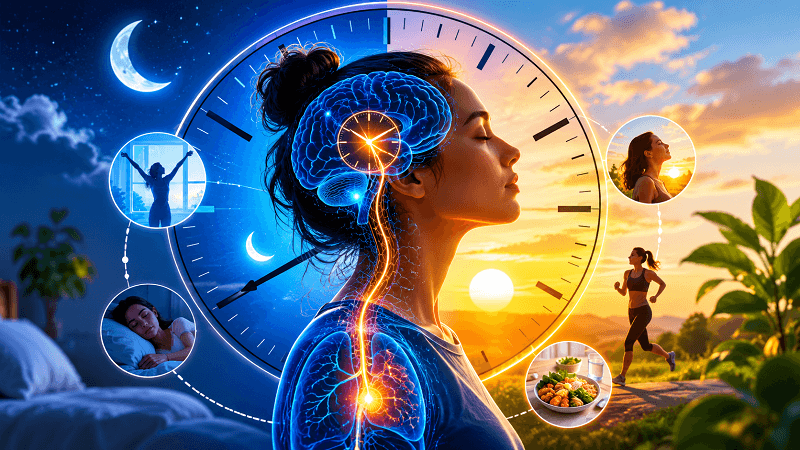
For many women, the phrase “biological clock” sparks a mix of curiosity, reflection, and sometimes a little pressure. Our bodies move through natural cycles that influence everything from energy levels and hormone balance to fertility and overall health.
That’s why Biological Clock Day, observed each year on April 28, encourages women to pause and reflect on how their internal rhythms affect their well-being and life decisions.
Rather than focusing solely on fertility timelines, Biological Clock Day invites a broader conversation about listening to your body and taking proactive steps toward long-term wellness. It’s a reminder that understanding your body’s signals can help you feel more informed and empowered.
What Is the Biological Clock?
The term “biological clock” refers to the body’s natural timing mechanisms that regulate biological processes. In women, this often relates to reproductive health and fertility, but it’s also tied to circadian rhythms, hormone cycles, and even digestion.
Your biological clock influences when you feel most energized, when your body prefers to rest, and how hormones fluctuate throughout the month. These rhythms are controlled by complex systems in the brain and endocrine system that coordinate processes like sleep cycles and reproductive function.
For women, hormonal shifts throughout the menstrual cycle are a key part of this clock. Estrogen and progesterone levels rise and fall in predictable patterns, impacting mood, metabolism, and reproductive readiness. Over time, age-related changes also affect this internal timeline, particularly regarding fertility.
Understanding these patterns can help women make informed decisions about their health and lifestyle, whether that means planning for pregnancy or navigating menopause.
Why Does Biological Clock Day Matter?
Biological Clock Day is a gentle reminder to check in with your body and prioritize your health. Modern life can make it easy to ignore internal cues. Busy schedules, stress, and lifestyle habits often disrupt the natural rhythms that keep our bodies functioning smoothly.
This day also highlights the importance of reproductive health awareness. While every woman’s timeline is unique, understanding how fertility changes with age allows women to make informed decisions about family planning and overall wellness.
Just as importantly, Biological Clock Day promotes the idea that women deserve access to tools and information that support their bodies at every stage of life.
Listening to Your Body’s Signals
One of the most powerful things a woman can do for her health is learn to recognize the signals her body sends. Hormonal shifts often show up in subtle ways, from changes in mood and energy to digestive patterns and vaginal health.
When the body is functioning properly, these systems tend to work smoothly together. But when stress, poor sleep, or diet disruptions enter the picture, those rhythms can become less predictable.
Supporting your body’s natural processes starts with simple habits. Prioritizing sleep helps regulate circadian rhythms and hormone production. Nourishing foods rich in fiber and healthy fats can support digestive health and hormonal balance. Managing stress through movement, mindfulness, or relaxation techniques also helps the body maintain its natural cycles.
Paying attention to vaginal health is another important part of the equation. Recognizing hormonal changes, such as lower estrogen levels, can signal the transition toward menopause.
The Gut-Vaginal Health Connection
What Many women don’t realize is how closely gut health and vaginal health are connected. The gut microbiome influences immune function, hormone metabolism, and the balance of beneficial bacteria throughout the body.
When gut health is supported, it often creates positive ripple effects for vaginal health as well. Beneficial bacteria help maintain a healthy pH level and discourage the overgrowth of unwanted microbes.
This is where probiotic supplements can play a helpful role. Probiotics are designed to introduce beneficial bacteria that support the body’s natural microbiome. For women experiencing occasional imbalances or simply looking to maintain daily wellness, probiotics may help reinforce the body’s natural defenses.
When combined with healthy lifestyle habits, probiotics can be a convenient way to support the internal ecosystems that keep the body functioning at its best.
Supporting Your Biological Rhythm Every Day
While Biological Clock Day shines a spotlight on women’s health for one day each year, the real goal is building daily habits that support your body’s natural rhythm.
Getting consistent sleep, maintaining a balanced diet, staying active, and managing stress all contribute to a healthier biological clock. These practices help regulate hormone cycles, support immune health, and keep the body’s natural timing mechanisms running smoothly.
Listening to your body also means recognizing when it might benefit from additional support. Whether it’s through nutrition, lifestyle changes, or supplements like MENO, small steps can make a meaningful difference over time.
Every woman’s body is unique, and honoring those differences is part of creating a wellness routine that feels both sustainable and empowering.
A Gentle Reminder To Care for Your Body
Biological Clock Day isn’t about pressure or deadlines. Instead, it’s an opportunity to reconnect with your body and appreciate the intricate systems that keep it running. By learning more about your internal rhythms, you can better support your health today while setting the foundation for the future.