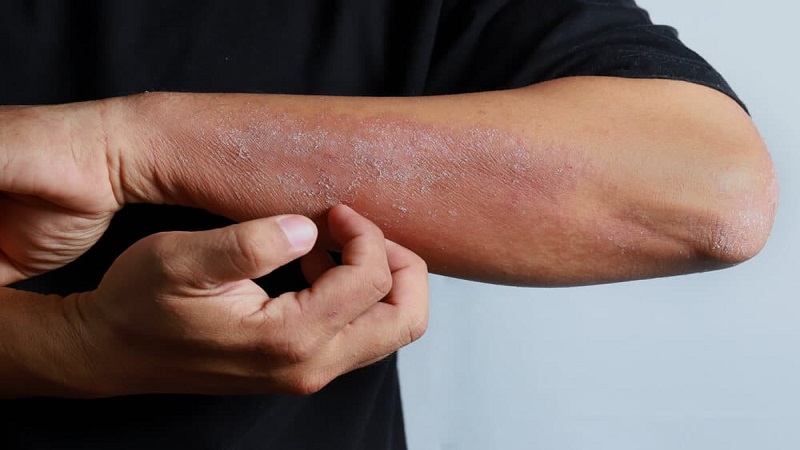
Skin can tell a story long before someone says a word. A red patch near the arm. A swollen area that feels warm. A small cut that should have healed by now but hasn’t. For people who inject drugs, these changes are not “just skin problems.” They can be early signs of something much more serious.
Skin and soft-tissue infections are one of the most common health problems linked to injection drug use. They often start small. That’s part of the danger. A person may notice tenderness, itching, a bump, or a little drainage and think, “I’ll deal with it later.” But later can become too late when bacteria move deeper into the tissue, enter the blood, or reach the heart.
Honestly, it’s a harsh thing to say, but skin infections can become medical emergencies fast.
Why the Skin Becomes the First Place Trouble Shows Up
The skin is the body’s outer shield. It keeps germs out, protects tissue, and helps the body manage heat, touch, and pain. But every injection breaks that barrier.
That does not mean every injection leads to infection. Still, repeated punctures give bacteria more chances to get inside. Germs from the skin, hands, needles, water, clothing, or shared supplies can enter the body through tiny openings. Sometimes the injection misses the vein and irritates the surrounding tissue. Sometimes a vein becomes damaged. Sometimes a person keeps using the same area because other veins are hard to find.
Little by little, the skin loses its ability to bounce back.
A small sore can turn into cellulitis, which is an infection of the deeper layers of skin. An abscess can form when pus collects under the skin. The area can swell, harden, throb, or become painful to touch. It may feel hot, look shiny, or develop red streaks. That red streaking is not something to ignore. It can mean the infection is spreading.
Here’s the thing: skin problems are visible, but they’re also easy to hide. Long sleeves, hoodies, makeup, isolation, shame, fear of judgment, and fear of withdrawal all keep people from getting help early.
And that delay changes everything.
The Small Bump That Isn’t So Small
A bump near an injection site can look harmless at first. It may even feel like an ordinary bruise or pimple. But in people who inject drugs, a bump deserves more attention because the conditions around injection can allow bacteria to grow quickly.
Abscesses are especially common. They often start as firm, painful lumps beneath the skin. Over time, they can fill with pus. Some drain on their own, but that does not mean the problem is fixed. The infection can still spread under the surface.
Cellulitis is another concern. Unlike an abscess, it does not always form a clear pocket. Instead, the skin becomes red, swollen, warm, and painful. It can expand across the arm, leg, hand, or wherever the injection happened. Fever, chills, fatigue, and body aches are signs the body is fighting more than a surface-level problem.
You know what makes this tricky? Some people get used to discomfort. When life already feels chaotic, pain becomes background noise. A sore arm becomes “normal.” A swollen hand becomes “part of it.” That’s when danger creeps in.
Skin should not be painfully swollen. Pus is not normal. Fever with a skin infection is not something to sleep off.
When Infection Moves Beyond the Skin
The scariest part is not always the wound itself. It’s where the infection can go.
Once bacteria enter the bloodstream, the situation becomes much more serious. This can lead to sepsis, a life-threatening response to infection. The body starts fighting hard, but that fight can damage organs, lower blood pressure, and cause confusion, weakness, or trouble breathing.
Another major risk is infective endocarditis. That is an infection of the heart’s inner lining or valves. It happens when bacteria travel through the blood and settle in the heart. People who inject drugs face a higher risk because bacteria can enter the bloodstream directly through injection sites.
Endocarditis does not always announce itself clearly. It can show up as fever, night sweats, fatigue, chest pain, shortness of breath, or unexplained weight loss. Sometimes people think they have the flu. Sometimes they wait because they’ve waited before and survived before.
But heart infections are not minor. They can damage valves, cause stroke, lead to heart failure, or require long hospital stays.
This is where addiction care and medical care overlap. Someone dealing with substance use may need wound care, antibiotics, hospital treatment, and support for the addiction itself. For many people, Therapy For Addiction Recovery becomes part of the bigger picture because untreated substance use can keep putting the body back in the same risky situation.
That does not mean therapy alone treats an infection. It doesn’t. Infections need medical care. But therapy can help address the patterns, trauma, stress, and coping struggles that often sit behind repeated drug use.
Why People Wait Too Long to Get Help
It is easy to ask, “Why didn’t they go to the doctor sooner?” But that question misses the real story.
People delay care for many reasons. Some fear being judged. Some have had bad experiences with healthcare workers. Some worry they’ll be reported, shamed, or treated like a problem instead of a patient. Others don’t have insurance, transportation, stable housing, or someone to watch their kids. Some are afraid of withdrawal if they go to the hospital and cannot use.
And some simply don’t know how serious the infection is.
There is also the emotional side. Skin infections can carry embarrassment. A person may feel exposed, especially when the wound clearly points to injection use. That shame can make people cover up symptoms until the pain becomes unbearable.
The problem is that bacteria don’t care about shame. They keep moving.
Delayed care often means the infection becomes harder to treat. A simple clinic visit can turn into emergency surgery. Oral antibiotics can turn into IV antibiotics. A short checkup can turn into a hospital stay. This is not meant to scare people for the sake of it. It is just the truth.
Early care saves skin, tissue, blood vessels, limbs, and sometimes lives.
The Skin Clues That Deserve Attention
Not every mark on the skin is an emergency, but certain signs should raise concern. The body gives clues, and they are worth taking seriously.
Common warning signs include:
- Redness that spreads or gets darker
- Swelling that worsens
- Warmth around the injection site
- Pain that keeps building
- Pus, drainage, or a bad smell
- Red streaks moving away from the wound
- Fever, chills, or sweats
- Dizziness, confusion, or extreme weakness
- A wound that does not heal
- Skin turning black, gray, or numb
That last one is urgent. Skin that changes color in that way can mean tissue is dying or the infection is severe.
There is also a dangerous condition called necrotizing fasciitis, sometimes called a flesh-eating infection. It is rare, but it can happen. The pain is often worse than the wound looks at first. The skin may swell quickly, blister, or change color. This needs emergency care.
Again, small does not always mean safe.
Recovery Is Medical, Physical, and Human
Skin infections are not just a medical issue. They sit inside a larger reality that includes addiction, access to care, mental health, housing, and trust.
A person can get antibiotics and still return to the same conditions that caused the infection. That is why recovery support matters. A wound can heal on the outside while the life around it remains unstable. That is not failure. It is a sign that care needs to be wider than one prescription.
Addiction changes routines, choices, pain tolerance, and risk. It can push people into survival mode, where the next few hours matter more than the next few weeks. For someone stuck in that cycle, even basic healthcare can feel far away.
This is why a recovery center for addiction can be part of a broader path toward stability. Medical treatment handles urgent problems like infection, while recovery care can help people work through substance use, relapse patterns, mental health needs, and daily structure.
No single service fixes everything. That sounds obvious, but it matters. Infection care, wound care, addiction treatment, therapy, peer support, and practical help all work better when they are connected.
The Bigger Skin Story We Shouldn’t Ignore
Skin is personal. It is visible. It is also easy to judge, and that is where public health often gets stuck.
When people see wounds linked to drug use, they may look away or blame the person. But skin infections are not moral lessons. They are medical problems. They need fast care, clean treatment, and less stigma. Stigma delays care. Delayed care makes infections worse. Worse infections cost more, hurt more, and kill more people.
The hidden risk is not just bacteria under the skin. It is silence. It is fear. It is the belief that a swollen wound is not worth medical attention until it becomes unbearable.
That belief needs to change.
For people who inject drugs, skin changes are often the first warning sign that the body is in trouble. A small sore can become an abscess. An abscess can become a bloodstream infection. A bloodstream infection can reach the heart.
So yes, skin matters. The mark on the arm matters. The swelling matters. The fever matters.
And the person behind it matters too.