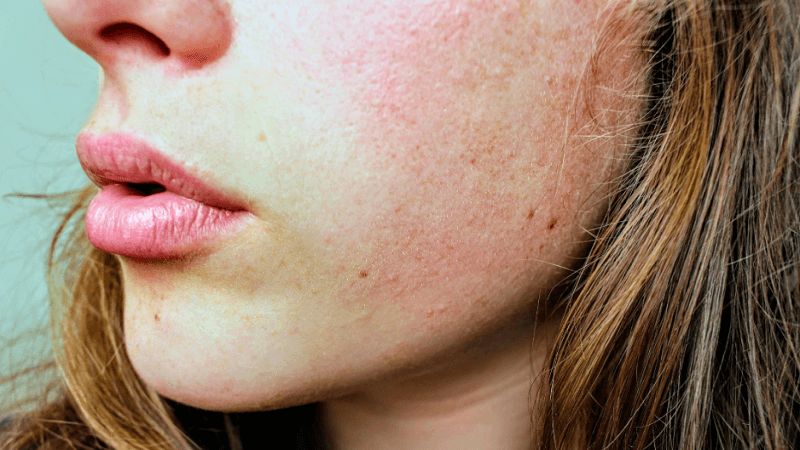
Millions of people worldwide, in every age group, suffer from acne, one of the most widespread dermatological issues. Studies show that knowing the basics of health and how certain lifestyle factors work can improve skin and the confidence that comes with it. This article reviews relevant studies on the latest trends in acne, the role of health literacy, simple daily practices, and expert advice on preventive measures.
Acne is more than just a teenage problem; it is a concern for people of all ages. An estimated 40-50 million people suffer from it in the U.S. each year, making it the most common diagnosis in dermatology. Adult acne is also quite common, affecting around 20% of adults aged 25-39 and nearly 9% of adults aged 40-64 according to Del Rosso et al., 2020. There is a combination of reasons why people suffer from acne, including genetics, hormones, and external factors.
However, some studies suggest that a lack of adequate health education is the reason people struggle with obtaining proper prevention and treatment. There is much more to the management of skin problems; health knowledge, health behaviors, and confidence all affect the condition and the mental state surrounding the individual’s skin.
How Health Education Shapes Skin Confidence in Young Adults
Acne is a widespread issue in society, and the way people handle it can vary, and depending on the basic health principles that they know, this can change. Health education, especially nursing and allied health, is centered on evidence-based practice, patient interaction, and the promotion of health.
One example is the Rockhurst online accelerated nursing program. It is a 16-month program that integrates online learning and visits to the campus. Health practice education leads to the acquisition of skills and knowledge that assists in personal wellness and health decisions. A structured health education program can lead to self-confidence in a person’s ability to manage a health issue (like acne).
The program can help guide decisions in diet, hygiene, and health treatments. Skin health and overall wellness can be achieved through the right lifestyle, and that is what professional health training aims to teach.
Practical Tips for Maintaining Healthy Skin at Any Age
Every day habits have a big impact on skin health. Experts suggest gentle cleansers that wash the oil off the skin, but without drying the skin out. Using a consistent, broad-spectrum sunscreen, and choosing products that do not clog the skin’s pores, along with the proper skin care products for each individual, non-comedogenic, and skin type, are all recommended habits.
According to a study from the Journal of Clinical and Aesthetic Dermatology, applying sunscreen every day can decrease the long-term skin damage and indicate signs of ageing by 30%. Food can impact the health of the skin.
Higher glycemic foods and processed sugars can increase the level of acne by impacting the hormones and inflammation, as Smith, et. al, indicates. Drinking enough water and eating a variety of whole foods can support the skin. Avoiding habits of aggressive scrubbing can lower irritation, and more serious breakouts can be avoided by simpler methods, such as regularly cleaning pillowcases.
The Connection Between Lifestyle Choices and Clear Skin
Skin health is directly affected by a person’s lifestyle choices. The American Academy of Dermatology reports that people who sleep less than 6 hours a night have a higher incidence of acne and have a less radiant complexion.
Increased cortisol due to chronic stress can worsen breakouts, as it is linked to greater oil production. In addition, while regular physical activity is great for blood flow and skin health, dirty sweat can lead to clogged pores. Lastly, excessive drinking and smoking cause oxidative stress and can lead to skin ageing. Knowing these relationships emphasizes that healthy skin is a result of healthy living and not just surface appearance.
Expert Advice on Preventing Common Skin Issues
The most important aspect of any skin issue is to take preventative measure. Identifying possible skin problems like eczema, acne, and allergic reactions is best done through routine dermatology appointments. Creating a custom routine is important and should be done based on skin type, personal medical history, and environmental influences. Comprehensive knowledge of the different causes of acne can help people understand that there is no one-size-fits-all, quick fix for treatment.
Skin-related problems can affect a person’s productivity and quality of life. According to the Global Burden of Disease Study, 2021, acne caused more than five million disability-adjusted life years around the globe, proving that skin problems can affect a person’s output. Preventative measures, and education on nutrition, hydration and skin care can help reduce the severity of skin problems.
Future Directions in Skin Health and Education
As more clinicians and researchers explore the link between health education and skin outcomes, it is clear that the problem is widespread and that lack of knowledge and ineffective coping strategies present a barrier to maintaining skin confidence during flare-ups. Structured education combined with practical lifestyle modifications optimizes wellness. To improve skin care outcomes, research, interaction with clinicians, and the implementation of evidence-based skin care routines must be paired.
A deeper understanding of the biological and behavioral components of skin health and education will empower individuals to navigate the complexities of skin health in 2026 and beyond.