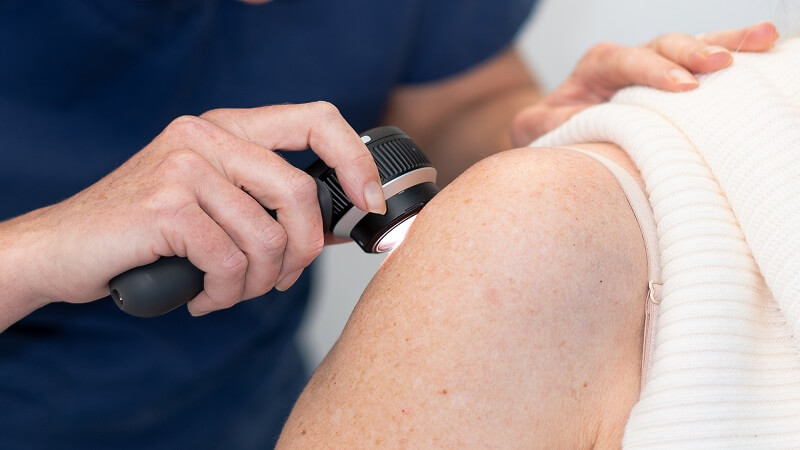
Routine skin examinations have become an important part of preventive healthcare, particularly in countries with high levels of sun exposure. During a professional assessment, doctors carefully evaluate skin spots and moles to identify any changes that may require closer attention. Many patients who book appointments for skin cancer screening brisbane are often surprised by how detailed and methodical these evaluations can be. What may appear harmless to the average person can sometimes contain subtle warning signs that trained professionals are specifically taught to recognize.
Understanding what doctors look for during these appointments can help patients feel more informed and confident about routine skin checks and ongoing skin health awareness.
Why Mole Evaluations Matter
Moles are extremely common and, in most cases, completely harmless. However, some can develop irregular features over time that deserve medical attention. Because changes often occur gradually, people may overlook them during everyday life.
Doctors use routine skin visits to identify unusual characteristics early, even before symptoms become obvious. Early observation is important because some skin cancers can closely resemble ordinary moles in their initial stages.
Routine monitoring helps healthcare professionals compare changes over time and determine whether further testing or observation is necessary.
The First Step: Understanding Patient History
Before examining the skin itself, doctors often begin by discussing personal and family medical history. This conversation provides valuable context about potential risk factors.
Factors Doctors Commonly Ask About
Sun Exposure History
Frequent outdoor activity, past sunburns, and occupational exposure can increase long-term skin risks.
Family Background
A family history of skin cancer or unusual moles may influence how carefully certain spots are monitored.
Previous Skin Changes
Doctors may ask whether a mole has changed in size, color, texture, or sensation.
Existing Medical Conditions
Certain medications or immune-related conditions can also affect skin health and healing.
This information helps guide the examination and identify areas requiring closer evaluation.
The ABCDE Method Doctors Commonly Use
One of the most recognized systems for evaluating unusual moles is the ABCDE rule. Doctors often use this framework to assess whether a mole shows suspicious characteristics.
A – Asymmetry
Healthy moles are usually symmetrical. If one half looks noticeably different from the other, doctors may consider it worth monitoring more closely.
B – Border Irregularity
Uneven, blurred, or jagged edges can sometimes signal abnormal growth patterns.
C – Color Variation
Doctors pay attention to moles containing multiple shades, including black, brown, red, white, or blue tones within the same lesion.
D – Diameter
While size alone does not confirm a problem, larger moles may receive additional scrutiny during an examination.
E – Evolving Appearance
Changes over time are among the most important warning signs. Doctors often ask whether the mole has grown, darkened, become raised, or started causing discomfort.
This systematic approach helps professionals evaluate moles consistently and thoroughly.
Beyond Appearance: Texture and Sensation
Visual examination is only part of the assessment process. Doctors also consider how a mole feels and behaves.
Physical Changes That May Raise Attention
Persistent Itching
An itchy mole can sometimes indicate irritation or abnormal activity beneath the skin.
Bleeding or Crusting
Moles that bleed without injury or repeatedly form scabs may require closer evaluation.
Raised or Thickened Areas
Changes in elevation or firmness may suggest developing abnormalities.
Tenderness or Pain
Although many harmless skin spots cause no discomfort, painful lesions are often examined more carefully.
These symptoms do not automatically indicate cancer, but they may prompt further investigation.
The Role of Dermoscopy in Modern Skin Checks
Many clinics now use a specialized tool called a dermatoscope during skin examinations. This handheld device magnifies skin structures and allows doctors to view patterns beneath the surface that are invisible to the naked eye.
Dermoscopy helps professionals:
- Examine pigment distribution
- Identify vascular patterns
- Detect subtle irregularities
- Differentiate harmless spots from suspicious lesions
- Track changes over time
Patients are often impressed by how advanced and detailed these assessments have become compared to basic visual inspections.
Why Doctors Compare Moles to Surrounding Skin
Another important technique involves identifying “ugly duckling” moles — spots that look noticeably different from the rest of a person’s skin markings.
Since many individuals naturally have similar-looking moles across their body, a lesion that stands out visually may attract more attention during a routine examination.
Doctors are trained to recognize these inconsistencies and determine whether monitoring or biopsy is appropriate.
When Further Testing Becomes Necessary
Not every unusual mole requires immediate treatment. In many cases, doctors simply recommend observation and future monitoring.
However, if a lesion appears concerning, additional steps may include:
- Digital imaging for comparison
- Short-term follow-up appointments
- Biopsy procedures
- Referral to a specialist
These decisions are based on professional assessment rather than fear or assumption. The goal is always to gather accurate information while minimizing unnecessary procedures whenever possible.
The Importance of Early Professional Evaluation
One of the biggest misconceptions about skin health is that dangerous lesions always look dramatic or obvious. In reality, many suspicious moles begin with subtle changes that are easy to dismiss.
Routine examinations allow doctors to identify these early warning signs before more advanced symptoms develop. This proactive approach can improve treatment outcomes and reduce complications significantly.
Patients who attend regular skin checks often gain greater awareness of their own skin patterns, making it easier to notice changes between appointments.
Building Better Long-Term Skin Awareness
Understanding what doctors look for during mole evaluations helps remove uncertainty around routine skin visits. These consultations are designed to provide reassurance, education, and early detection opportunities in a professional setting.
As awareness around preventive healthcare continues to grow, more people are recognizing the importance of monitoring skin changes consistently rather than waiting for symptoms to worsen.
Routine skin assessments are not simply about identifying problems — they are about building long-term awareness, encouraging proactive habits, and protecting overall health through early observation and informed medical care.