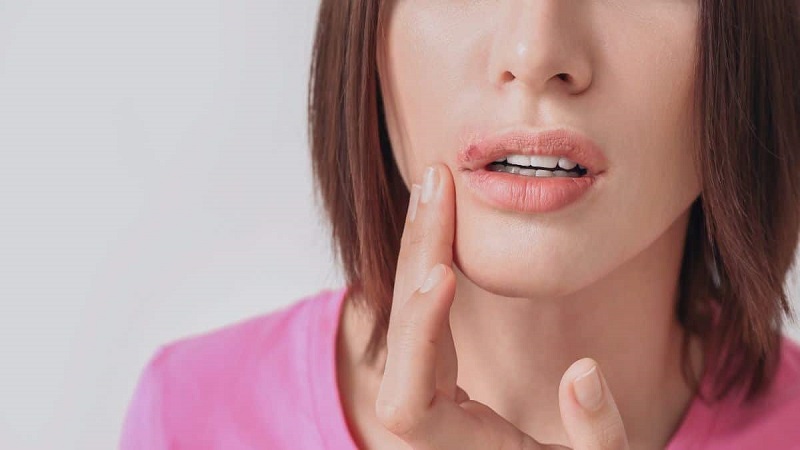
Meth sores are often talked about in a cruel, shallow way. People see scabs, open wounds, or scars on someone’s face and jump straight to judgment. They treat it like a beauty problem, as if the main issue is appearance.
But that misses the point.
Meth sores are not just “bad skin.” They are a warning sign that the body, brain, and immune system are under serious stress. They can point to compulsive skin picking, poor wound healing, infection risk, sleep loss, malnutrition, and a level of physical distress that deserves medical attention, not mockery.
And honestly, skin tells on the body. It often shows what the rest of the system is struggling to hide.
The skin isn’t being dramatic
Skin is the body’s front desk. It takes the first hit from weather, bacteria, sweat, dirt, scratching, and stress. When it’s healthy, it works like a quiet security guard. It blocks germs, repairs small cuts, and keeps deeper tissue protected.
Meth use disrupts that calm system.
Methamphetamine is a powerful stimulant. It affects the brain, sleep, appetite, circulation, and behavior. One of the most visible effects can be skin damage. Some people who use meth scratch or pick at their skin because of itching, anxiety, agitation, or the sensation that something is crawling under the skin. The U.S. Drug Enforcement Administration’s youth education resource notes that meth can cause self-inflicted wounds from picking at the face and body due to this crawling sensation.
That’s not vanity. That’s a behavioral and neurological problem showing up on the skin.
A sore can begin as a tiny scratch. Then it gets picked again. And again. Maybe the person is exhausted, dehydrated, or not eating well. Maybe they haven’t slept in two days. The wound doesn’t get the calm, clean conditions it needs to heal. So it stays open. It crusts. It gets irritated. It spreads.
A small mark becomes a signal.
Why picking becomes hard to stop
Here’s the thing: skin picking linked to meth use is not always a simple choice. It can become repetitive, frantic, and hard to interrupt.
Meth increases stimulation in the nervous system. That can make the body feel wired and restless. For some people, that restlessness lands in their hands. They touch a bump, feel a scab, notice a rough patch, and keep going. The action can feel automatic, like biting nails during stress but far more damaging.
There’s also the issue of formication, which is the sensation of bugs crawling on or under the skin. Medical sources connect this sensation with stimulant use, including methamphetamine, and it can lead to chronic picking that damages tissue and leaves scars.
That means the wound is only part of the story. The urge behind it matters too.
It’s not “just stop scratching”
Telling someone to “just stop picking” sounds simple from the outside. But inside that moment, the person can be fighting anxiety, hallucination-like sensations, drug cravings, shame, and a body that feels out of control.
This is why visible sores should not be brushed off as poor grooming. They can reflect a larger cycle: meth use, agitation, picking, open wounds, shame, more stress, more use, more picking. Round and round.
That cycle is exhausting. It’s also dangerous.
When a sore becomes an infection risk
A sore breaks the skin barrier. Once that barrier opens, bacteria have a doorway in.
This is where meth sores become more than a surface-level concern. Open wounds can become infected, especially when they are repeatedly touched or scratched. Infections can involve redness, swelling, warmth, pain, pus, fever, and worsening tissue damage. In more serious cases, skin infections can spread into deeper tissue or the bloodstream.
Research has also linked methamphetamine use with immune system changes and higher concern for infections, including Staphylococcus aureus infections. One study published through the National Library of Medicine discusses how methamphetamine can affect antimicrobial defense and increase vulnerability in the context of bacterial infection.
That’s a big deal.
A person looking at their reflection may only see scabs. A clinician may see possible cellulitis, abscess risk, delayed healing, or signs that the body is not recovering normally.
And the body really does need recovery time. Skin repair is not magic. It needs blood flow, oxygen, nutrients, sleep, and lower stress. Meth works against many of those things.
Poor healing has a bigger backstory
Meth affects more than behavior. It can also affect the body’s ability to repair damage.
Studies on methamphetamine use and surgical outcomes have noted that meth can contribute to blood vessel tightening and immune changes, which can raise concern for poor wound healing and infection complications.
Think of healing like a road crew fixing a pothole. The crew needs workers, tools, daylight, and space to work. Meth throws traffic cones everywhere, cuts off supplies, and keeps the crew awake for 48 hours. The repair still tries to happen, but it’s messy and slow.
That’s why meth sores can linger. They can reopen. They can scar. And when the same area gets picked over and over, the skin loses its chance to fully rebuild.
This is also where stigma does real harm. If someone believes their sores are only a “looks” issue, they may hide them. Makeup, long sleeves, hats, staying indoors, avoiding people. Shame can keep a person from care until the infection is harder to treat.
Skin problems become social problems. Then medical problems. Then emotional problems. It all overlaps.
The face gets attention, but the whole body matters
Face sores get the most attention because they’re visible. People notice them in photos, in public, at work, or in family settings. But meth-related sores can show up anywhere the person picks: arms, legs, chest, scalp, neck, shoulders.
The face simply carries the most social weight.
A sore on the cheek can affect how someone is treated at a grocery store. A scar near the mouth can change how a person feels during a job interview. A cluster of wounds can make someone avoid friends because they don’t want questions. That emotional load matters.
But the skin itself is not asking for pity. It’s asking to be understood.
Visible wounds can signal that the person needs deeper support, including substance use care, medical care, and mental health care. For some, a structured program such as California Drug Rehab becomes part of addressing the addiction cycle that keeps the skin from healing.
That link between skin and substance use is important. Treating the surface without addressing meth use is like mopping a floor while the sink is still running.
Why “cosmetic problem” is the wrong label
Calling meth sores cosmetic makes the problem sound optional, shallow, or purely visual. It also makes it easier to judge the person instead of noticing the medical warning signs.
Cosmetic concerns are real, of course. Scarring can affect confidence. Skin changes can be painful to see. A person may grieve the way they used to look. That’s human.
But meth sores are not mainly about beauty.
They are about open skin. Infection. Compulsive behavior. Sleep loss. Immune stress. Poor healing. Isolation. Shame. Risk.
They are also about timing. Skin can show a problem before the person says it out loud. A wound that won’t heal can become the first visible clue that meth use has moved from occasional use into something more harmful.
And yes, that can be hard to talk about. Families often don’t know whether to say something. Friends may worry they’ll sound rude. The person dealing with the sores may already feel exposed.
Still, silence doesn’t make the issue smaller.
The warning sign deserves a wider lens
Meth sores sit at the crossroads of dermatology, addiction medicine, mental health, and basic human dignity. That sounds clinical, but it’s also plain common sense. Skin is attached to a whole person.
When sores appear, the question should not be, “Why do they look like that?” The better question is, “What is happening underneath this?”
That shift matters.
It moves the conversation away from blame and toward health. It helps people see sores as symptoms, not character flaws. It also makes room for the reality that recovery is not just about stopping a drug. It’s about helping the body and mind repair after being pushed too hard for too long.
Meth sores are visible, but the deeper wound is often less obvious.
That’s why they should be taken seriously. Not as a beauty issue. Not as gossip. Not as a punchline.
They are a medical warning sign written on the skin, and the body is rarely careless with warnings.