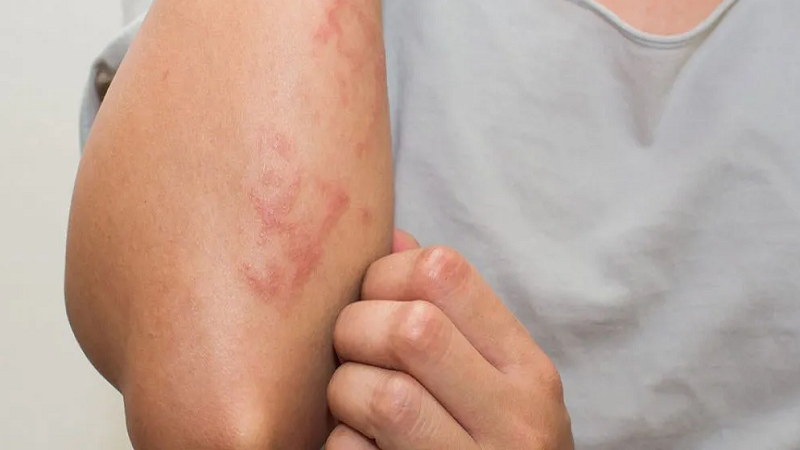
Skin infections do not always sound like headline material. A sore on the arm. A swollen hand. A red patch that feels hot. On paper, these can look like small medical problems.
But hospitals are seeing a harder truth.
For people who use drugs, especially people who inject drugs, skin wounds can become the first visible sign of a much bigger crisis. What starts as a cut, abscess, rash, or infected injection site can lead to repeat emergency visits, long hospital stays, surgery, bloodstream infections, heart infections, and, in the worst cases, death.
That’s why drug-related skin infections are becoming a bigger hospital story. Not because skin is suddenly more fragile, but because the skin is often where several problems meet at once: addiction, unstable housing, delayed care, contaminated supplies, stigma, and overwhelmed emergency departments.
And honestly, the skin tells on the system.
The wound is rarely “just a wound”
A skin infection can look simple from the outside. Clean it, drain it, prescribe antibiotics, send the patient home. That sounds neat. Hospitals love neat.
But real life is messier.
People who use drugs often arrive with wounds that have been ignored for days or weeks. Sometimes they avoid care because they fear judgment. Sometimes they have been turned away before, talked down to, or treated like the infection is a moral failure instead of a medical issue. Sometimes they simply cannot leave work, find transport, or keep up with follow-up appointments.
By the time they reach the emergency room, the infection has often spread.
A small abscess can become cellulitis. Cellulitis can become sepsis. Bacteria can enter the bloodstream. Infection can settle on heart valves, bones, joints, or implanted medical devices. Suddenly, a skin problem turns into a hospital admission, an infectious disease consult, imaging scans, IV antibiotics, and maybe surgery.
You know what? That is the part many people miss. The skin is not the whole story. It is the front door.
Why hospitals are paying closer attention now
Hospitals have always treated wounds. What has changed is the scale and the pattern.
Drug-related infections create a specific kind of pressure on hospitals because they often involve repeat care. A patient may come in with one abscess, leave before finishing treatment, return with a worse infection, then come back again with a new wound. This cycle is hard on the patient, hard on staff, and expensive for the healthcare system.
Emergency rooms become the safety net. Surgical teams drain abscesses. Dermatology may be asked to identify unusual lesions or severe skin reactions. Infectious disease specialists manage bacteria that do not respond well to basic antibiotics. Social workers try to arrange safe discharge plans. Addiction teams, when available, help address the drug use behind the infection.
That is a lot of moving parts for what can look, at first glance, like a skin complaint.
And here’s the thing: the hospital cannot fix the infection fully if the person goes back to the same risks with no support. Clean wound care matters. Antibiotics matter. But so do housing, addiction treatment, harm reduction, and trust.
The body keeps receipts
Skin has a strange honesty to it. It shows stress in ways people cannot always hide.
For people who inject drugs, the damage can come from repeated punctures, non-sterile equipment, missed veins, skin popping, or injecting into areas that are harder to clean. For people who use stimulants such as methamphetamine, skin picking can create open wounds. Poor sleep, poor nutrition, dehydration, and weakened immune function can slow healing. Add homelessness or limited access to showers, and the risk rises again.
It is not one cause. It is a pile-up.
Think of it like a leaking roof. One missing tile may not flood the house. But add heavy rain, clogged gutters, and a ceiling that was already weak, and now there is water everywhere.
That is how many drug-related skin infections work. One wound becomes dangerous because everything around it makes healing harder.
When bacteria get a chance to move
Bacteria do not need drama. They need an opening.
Once the skin barrier breaks, bacteria can enter soft tissue. Common infections include abscesses, cellulitis, and infected ulcers. Some infections stay local. Others spread fast. When bacteria reach the bloodstream, hospitals treat the case with far more urgency because the risk is no longer limited to the skin.
One of the most feared complications is infective endocarditis, an infection of the inner lining of the heart or heart valves. It can require weeks of IV antibiotics and sometimes heart surgery. That is a long way from “just a wound,” but that is exactly the point.
Skin infections can be early warning lights. Ignore them long enough and the dashboard starts flashing.
Stigma makes the infection worse
This part feels uncomfortable, but it matters.
Many patients delay care because they expect to be judged. Some have had painful procedures with poor pain control. Some have been accused of drug-seeking when they were in real pain. Some feel ashamed of the wound itself. So they wait.
Hospitals then see the worst version of the problem.
A person who might have needed oral antibiotics last week now needs admission. A wound that could have been cleaned early now needs surgical drainage. A patient who could have been helped in a clinic now arrives in crisis.
Stigma does not just hurt feelings. It changes health outcomes.
Clinicians know this, at least the good ones do. A patient who feels respected is more likely to stay, accept treatment, return for wound checks, and talk honestly about drug use. That honesty helps doctors choose safer care. It helps nurses teach wound cleaning without sounding like they are scolding. It helps addiction teams connect the person with medication, counseling, or a recovery center for addiction when the patient is ready for that step.
Not everyone is ready on the first visit. But the first visit still matters.
Dermatology, addiction, and emergency care are now linked
Skin care used to sit in its own lane. Addiction care sat in another. Emergency care handled the immediate crisis.
Drug-related skin infections blur those lines.
A dermatologist may recognize that a rash is linked to substance use, infection, or poor wound healing. An emergency doctor may drain an abscess but also start medication for opioid use disorder. A nurse may notice that the patient has no clean place to change dressings. An addiction specialist may explain why leaving the hospital early feels safer to the patient than staying.
That overlap is where better care happens.
Hospitals are slowly learning that treating the wound without treating the context is like mopping a floor while the sink is still running. It helps for a minute. Then the mess comes back.
The discharge problem no one loves talking about
Discharge is where many good plans fall apart.
A patient may leave with antibiotics, but no stable address. They may need daily wound care, but cannot get to a clinic. They may need IV antibiotics, but a care team worries about sending them home with a line because of injection risk. They may be asked to return in two days, but they have no ride, no phone, or no money.
So the hospital writes a plan that looks fine in the chart and shaky in real life.
This is not a small detail. Discharge planning is part of infection care. If the plan does not fit the person’s life, the infection often returns.
Why this is also a public health issue
Hospitals feel the burden first because they are where severe cases land. But drug-related skin infections are not only hospital problems.
They reflect gaps in public health.
Clean supplies reduce infection risk. Early wound clinics reduce emergency visits. Street medicine teams can treat wounds before they become severe. Addiction treatment lowers the cycle of risky use. Housing support makes hygiene and follow-up care more realistic. None of this is soft or sentimental. It is practical.
Still, the system often waits until the wound is bad enough for an ambulance.
That is the expensive way. It is also the painful way.
There is a quiet irony here. Skin infections are visible, but the forces behind them are often ignored. Poverty. Trauma. Unsafe drug supply. Limited care access. Shame. These are not hidden, exactly. People just get used to looking past them.
A bigger story written on the skin
Drug-related skin infections are becoming a bigger hospital story because they show how addiction touches the body, the emergency room, and the wider healthcare system all at once.
The wound matters. The bacteria matter. The antibiotics matter.
But the story does not stop there.
A swollen arm can point to unsafe injection conditions. A recurring abscess can point to untreated addiction. A missed follow-up can point to homelessness or fear. A long hospital stay can point to a system that steps in late, then wonders why the problem is so hard to fix.
Skin is often treated as the surface. In this case, it is the signal.
And hospitals are learning, sometimes the hard way, that when drug-related wounds keep coming through the door, they are not random cases. They are part of a pattern. A painful one. A costly one. And yes, a human one.